
Ready For Development ? A Site Assessment will determine feasibility !
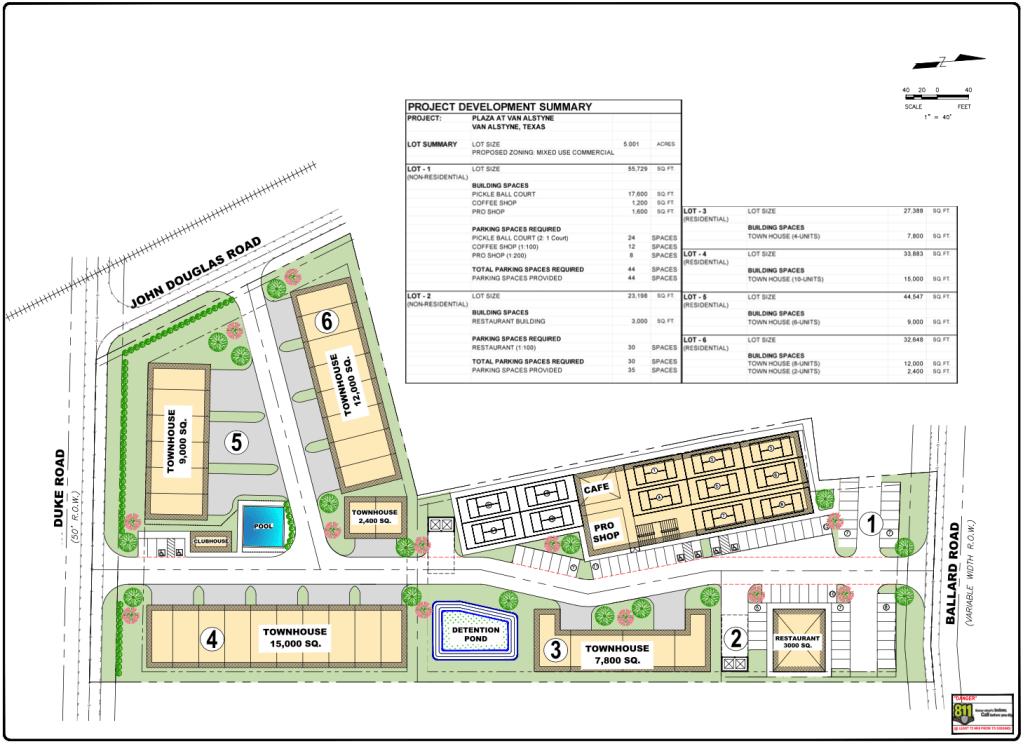
A site evaluation plan is a comprehensive assessment conducted to determine the suitability of a specific site for a proposed project or development. This evaluation helps identify potential challenges and opportunities related to the land’s physical, environmental, legal, and infrastructural characteristics before construction or development begins.
Unlike a site plan, which shows how a site will be developed, a site evaluation plan focuses on understanding the conditions of the site and assessing its capacity to support the intended project.
Services
- Site Assessment / Planning
- Street and Parking Lot Design
- Stormwater Management Design
- Grading and Erosion Control Design
- Utility Design
- Construction Administration
Key Components of a Site Evaluation Plan:
Topography and Soil Conditions:
- Site Survey: Detailed measurements of the land’s contours, slopes, and overall topography.
- Soil Testing: Geotechnical analysis to determine soil composition, stability, and drainage characteristics. This helps assess whether the soil can support the structures or if special foundation work is needed.
Environmental Assessment:
- Flood Risk: Identifying if the site is in a floodplain or subject to other water-related issues.
- Erosion Potential: Evaluating the risk of soil erosion, especially in areas with steep slopes or heavy rainfall.
- Vegetation and Wildlife: Assessing the presence of any protected plant species, trees, or wildlife habitats that may require preservation or mitigation.
- Wetlands and Water Bodies: Identifying nearby bodies of water or wetlands that could be subject to special regulations.
Zoning and Land Use:
- Zoning Compliance: Determining whether the property is zoned for the intended use (residential, commercial, industrial, etc.) and whether any variances or special permits are needed.
- Land Use Regulations: Checking for local ordinances, building codes, and other regulations that may affect the design or construction process (e.g., height restrictions, setback requirements).
- Infrastructure and Utilities:
- Utility Availability: Evaluating the proximity and availability of essential utilities like water, sewer, electricity, and gas.
- Access Roads and Transportation: Reviewing access to main roads, highways, and public transportation options, as well as the capacity of the local infrastructure to handle increased traffic or demand.
- Climate and Weather Conditions:
- Wind Patterns: In some regions, understanding the predominant wind direction and intensity can influence building design (especially in hurricane or tornado-prone areas).
- Temperature and Rainfall: Local climate data helps determine the impact of seasonal weather patterns on construction and long-term sustainability.
- Legal and Ownership Considerations:
- Property Boundaries: Verifying the boundaries of the property and ensuring that the site is free from legal disputes or encroachments.
- Easements and Restrictions: Identifying any legal easements, right-of-ways, or restrictions on the property that could affect the use of the land.
Purpose of a Site Evaluation Plan:
- Risk Assessment: Identify potential challenges, such as poor soil conditions, flood risks, or legal issues, before proceeding with the design and development process.
- Informed Decision-Making: Help project owners and developers make informed decisions about whether to proceed with the project or seek alternative sites.
- Compliance: Ensure that the project complies with local zoning regulations, environmental laws, and other legal requirements.
- Cost Estimation: Understanding the site’s conditions helps estimate construction costs, particularly for mitigation efforts (e.g., soil stabilization, flood prevention).
When to Use a Site Evaluation Plan:
- Before Property Purchase: To assess whether a piece of land is suitable for the intended project.
- For Development Projects: Prior to beginning the design or construction process to identify any site-specific challenges.
- For Zoning or Permitting Applications: To provide data supporting the application for zoning changes, variances, or construction permits.
- For Environmental Planning: To address environmental concerns and ensure compliance with regulations such as the Clean Water Act or local environmental protection laws.
Summary:
A site evaluation plan is a critical first step in any construction or development project. It provides a thorough understanding of the site’s conditions and highlights potential issues that could affect the feasibility and cost of the project. This evaluation ensures that the project is viable, sustainable, and compliant with regulations, helping developers avoid costly surprises later in the process.
 Clext Engineering & Construction Management