
At Clext, we are committed to transforming the built environment with innovative, sustainable, and cost-effective civil engineering solutions.
civil engineering primarily focuses on site assessment, preparation, and drainage design, including aspects like soil analysis, topography evaluation, grading plans, and stormwater management systems to ensure a stable foundation for the house construction, particularly when dealing with challenging terrain or potential hazards like flooding or poor soil conditions.
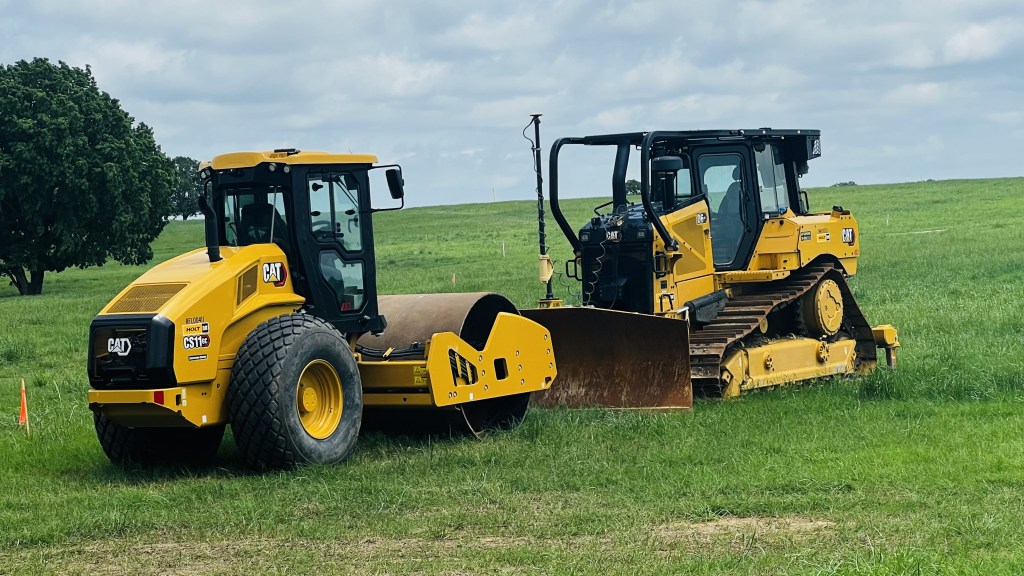
When planning a project, it’s essential to have comprehensive civil engineering plans. These plans ensure that your project meets all necessary standards and regulations. Key areas where civil engineers contribute in a project:
DON’T START YOUR PROJECT WITHOUT THIS!
- Site evaluation Plan:Analyzing soil properties, topography, drainage patterns, and potential environmental concerns on the building site.
- City ordinance play a crucial role in determining project feasibility, as they establish the legal framework for land use, zoning, building codes, and environmental regulations, ensuring that a proposed development can be successfully executed within the city’s regulatory boundaries.
- Site Plan: A detailed layout or record plat showing the boundaries, structures, and other significant features of the property.
- Grading and Erosion Control Plan: Plans addressing grading, drainage, and erosion prevention to manage water runoff and soil stability.
- Water and Sewer System Plan: Design plans for water supply and sewer disposal systems.
- Paving and Drainage Plan: Plans for driveway, walkways, and stormwater management to prevent flooding and water damage.
- Traffic Analysis Miscellaneous Details: Includes traffic control plans, water quality management plans, and other specific project requirements.
- Landscaping Plan: Design plans for green spaces, plantings, and outdoor features.
- Tree Preservation Plan: A plan outlining how trees and other natural features will be preserved during construction.
- Geotechnical Report: A report based on soil testing that provides insight into the site’s stability and suitability for construction.
- Foundation design Plan:Providing input on foundation type and design based on site conditions, including considerations for retaining walls if needed.
- Utility coordination Plan: Planning the placement of utilities like sewer lines, water lines, and electrical conduits.
- Permits and compliance:Ensuring the project adheres to local building codes and environmental regulations.
Important points to remember:
- Collaboration with other professionals:
Civil engineers often work closely with structural engineers, architects, and contractors to integrate site considerations into the overall building design. - Complex site conditions:
While a basic residential project might not require extensive civil engineering, situations like steep slopes, poor soil conditions, or flood-prone areas would necessitate greater involvement from a civil engineer. - Structural engineering:
While sometimes used interchangeably, a “structural engineer” is a specialized civil engineer focused primarily on the structural design of the building itself, including load calculations and member sizing.
Key Considerations for Your Construction Project
Before beginning your residential construction, consider these important steps:
- Feasibility Study: Conduct a pre-design study to assess what is possible for your property. This can include reviewing zoning regulations, property records, and site conditions to determine the best approach.
- Sustainability: Incorporate energy-efficient features, eco-friendly materials, and designs that promote long-term durability to create a sustainable home.
- Engineering Requirements: In regions with specific environmental risks (e.g., earthquake or hurricane zones), ensure your plans are engineered to meet the local safety standards.
How to Hire a Civil Engineer
When hiring a civil engineer for your project, keep these tips in mind:
- Verify Licensing: Ensure the engineer is licensed in your area by checking with your local surveyor’s office.
- Check References and Portfolio: Ask for references and review their past projects, particularly those similar to yours.
- Read Reviews: Look for online reviews to gauge their reliability in completing projects on time and within budget.
- Get Multiple Quotes: Obtain quotes from several contractors to ensure competitive pricing and transparency.
By understanding these key components and taking the right steps, you can ensure that your project goes smoothly, stays on budget, and meets all necessary engineering standards.
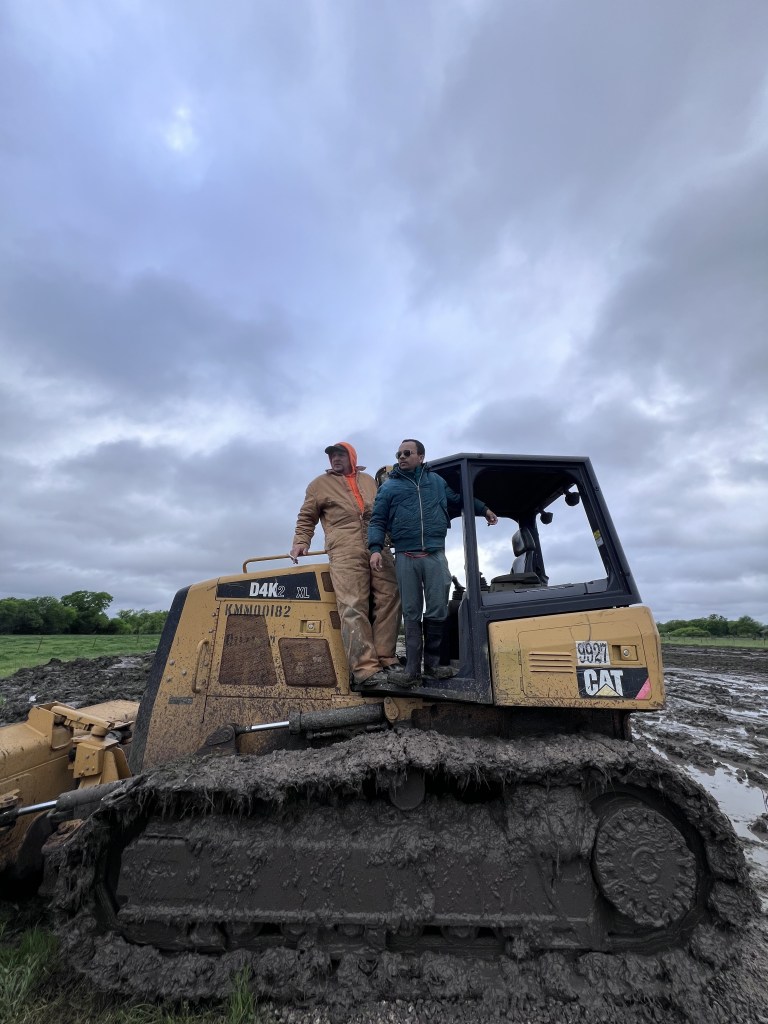
Before breaking ground on your next civil engineering project, make sure you have the right foundation of planning, resources, and expertise in place. Here’s a checklist of key elements that you should never overlook:
Comprehensive Site Assessment
Understanding the land and environment where your project will take place is crucial. A detailed site assessment identifies potential challenges such as soil conditions, water flow, topography, and environmental factors that could affect construction. Without this, your project risks delays, unexpected costs, and safety hazards.
Regulatory Compliance & Permitting
Ensure that all necessary permits and approvals from local, state, and federal agencies are obtained. This includes zoning laws, environmental regulations, and safety standards. Skipping this step can result in fines, legal complications, or project shutdowns.
Risk Management Plan
Civil engineering projects often involve risks, whether from unforeseen natural events, logistical challenges, or budget overruns. A risk management plan is essential to anticipate these challenges and prepare mitigation strategies. This includes insurance, contingency budgets, and having a crisis communication plan in place.
Clear Project Timeline & Milestones
Without a clearly defined timeline, your project can easily fall behind. Outline all major project phases, deadlines, and dependencies upfront. This ensures better resource allocation, proper sequencing, and minimizes the chance of overruns or missed deadlines.
Detailed Budget & Cost Estimates
One of the leading causes of project delays or failure is poor financial planning. Have a detailed and accurate cost estimate, including direct costs, labor, materials, contingencies, and hidden expenses. Ensure there is financial flexibility to handle unexpected expenses while staying within budget.
Qualified Engineering Team
Ensure you have the right team in place to handle the complexities of the project. From structural engineers to environmental specialists, having the right expertise ensures both the design and implementation of your project are executed flawlessly.
Sustainable & Resilient Design
Sustainability is no longer optional. Focus on energy efficiency, waste reduction, and resource management from day one. Not only will this benefit the environment, but it will also save costs and ensure long-term viability for your project.
Comprehensive Construction Management Plan
Effective management is the backbone of any successful project. This includes detailed planning for construction schedules, labor, equipment, quality control, and safety protocols. A project manager who is experienced in civil engineering construction is essential to keep the project on track.
Communication & Stakeholder Engagement
Establish clear lines of communication between the engineering team, contractors, clients, and stakeholders. Regular updates and transparency ensure everyone is on the same page and minimizes the risk of misunderstandings or conflicts down the line.
Quality Control & Safety Standards
Safety should be at the forefront of any civil engineering project. Having a rigorous quality control process ensures that all materials, designs, and construction meet the required standards. A safety plan that adheres to OSHA guidelines and local regulations is non-negotiable.
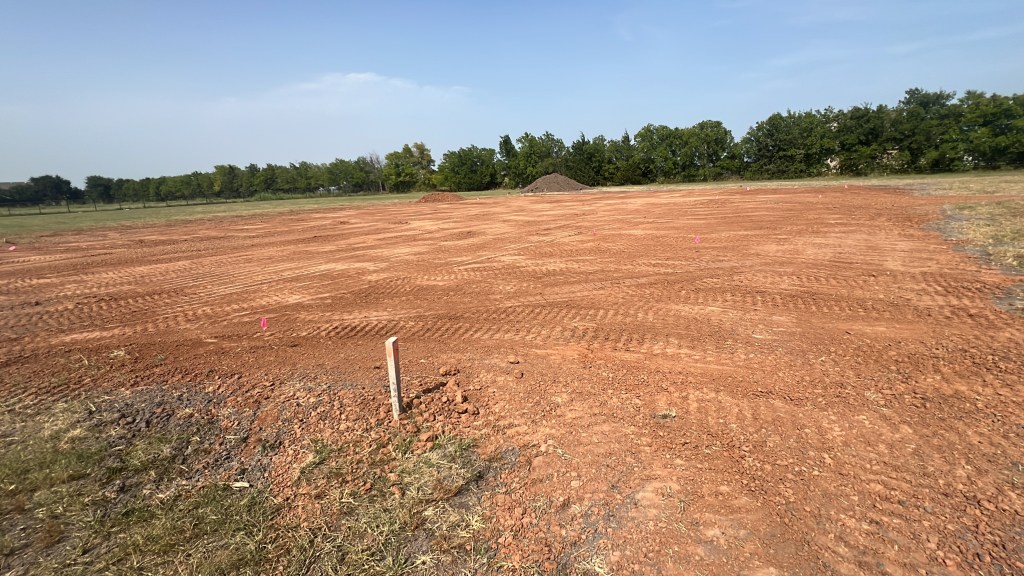
Skipping any of these critical steps can lead to costly delays, regulatory fines, safety issues, and potentially disastrous outcomes. By laying the right groundwork—both in planning and execution—you can significantly improve the likelihood of your project’s success.
At Clext, we guide clients through every step of the process, ensuring that no detail is overlooked and every challenge is met head-on. Let us help you start your project the right way!
 Clext Engineering & Construction Management